
The UK Desk: what the Ministry kept, and how it got out
A secret study only a handful of people were meant to read, a UFO desk closed in 2009, and a photograph the Ministry of Defence held for thirty years. How the MoD’s UFO secrets reached the public: not through dramatic leaks, but through Freedom of Information requests and one man who kept a print.
For nearly sixty years the Ministry of Defence collected reports of unidentified objects in British skies. Most of what it did with them was dull, and that is part of the story. But a few documents were never meant to be seen, and how they came out says as much about Whitehall as about the sky.
Condign: the study for eleven readers
In 1996, a review of how the MoD handled sighting reports led the Defence Intelligence Staff to commission a study of whether the reports had any intelligence value. It was finished in 2000 under the codename Condign, classified Secret UK Eyes Only, and only eleven copies were made. Its conclusions: there was no evidence the sightings posed a threat or could be tied to any foreign nation, and most could be put down to misidentification or to unusual natural atmospheric effects, which the report called buoyant plasmas (the report, via the Internet Archive).
It came out not through a leak but through the Freedom of Information Act. A request by the researcher Dr David Clarke led the MoD to release it in May 2006 (David Clarke). Nick Pope, who ran the MoD's UFO desk in the early 1990s, has argued that the secrecy mattered because the internal view of the subject was not the same as the public line. Sources disagree on the report's length, from about 300 pages to over 460; the full text is public, so check it rather than the headlines.
The desk that closed
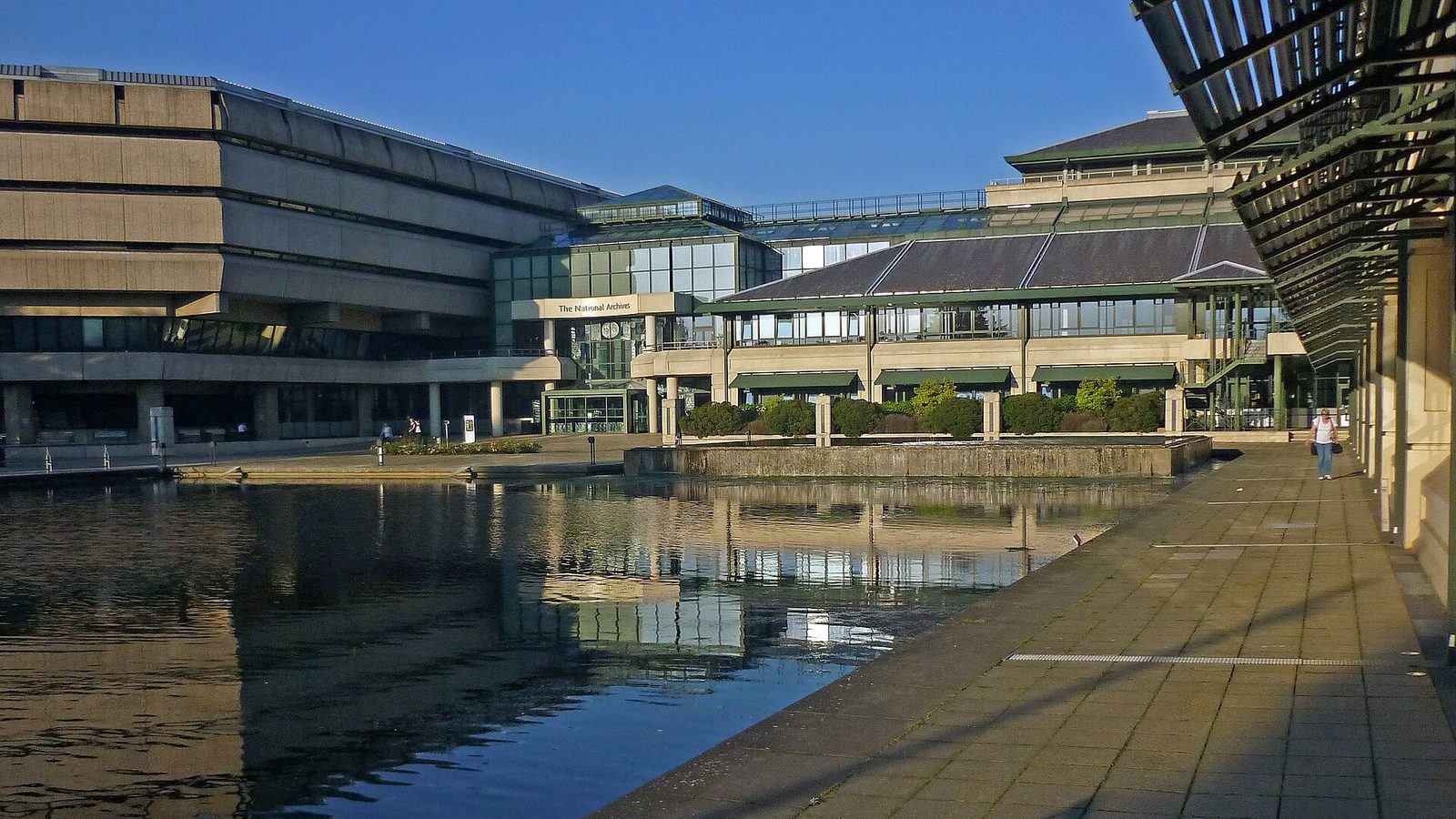
The MoD closed its UFO desk and its public hotline at the end of 2009. Internal papers said the work served no defence purpose, in a year when reports had roughly trebled. The files were moved to the National Archives at Kew and released in batches; the tenth and final batch, covering late 2007 to November 2009, was opened in June 2013 (National Archives). A further 18 files that had been missed for administrative reasons were opened in 2017, and files from the intelligence branch DI55 followed separately (David Clarke).
Calvine: the photograph that waited thirty years
On 4 August 1990, near Calvine in the Scottish Highlands, two men photographed what appears to be a large, diamond-shaped object in the sky, with a military jet nearby. The pictures went to the Daily Record, which passed them to the Ministry of Defence, and they were never published. The originals have not been found (Newsweek).
What survived was a print kept by Craig Lindsay, a former RAF press officer, who had been sent copies at the time. After years of searching, Dr David Clarke traced him, and the photograph was published in August 2022. A photographic analysis commissioned by the researchers concluded that Lindsay's print is a genuine copy of the picture the MoD examined; it is now held in the archives at Sheffield Hallam University (Sheffield Telegraph). What the object was is still argued over: sceptics have proposed reflections and a rock or small island photographed against water, and the question is not closed (The Skeptic).
Talking points for the show
- Condign said there was no threat, then sat under Secret UK Eyes Only for six years. Is that a cover-up, or just how Whitehall treats everything?
- The best British UFO material came out through Freedom of Information requests and patient researchers, not whistleblowers. What does that tell us about where to look next?
- The UFO desk closed in the year reports trebled. Was that cost-cutting, or a decision that the subject was not the MoD's business?
- Calvine: the MoD lost the originals. Accident or policy?
- If there is a further file still unopened, what would you ask for under Freedom of Information tomorrow?
Sources
- Project Condign report, Internet Archive
- David Clarke: Condign un-redacted
- National Archives: final tranche of UFO files
- David Clarke: The End of the UFO Files
- Newsweek on the Calvine photograph
- Sheffield Telegraph: the Calvine print at Sheffield Hallam
- The Skeptic on the Calvine photo
Picture: The National Archives at Kew, where the Ministry of Defence’s UFO files now sit · Photo: Jim Osley, Wikimedia Commons, CC BY-SA 2.0, cropped
The UK Desk is compiled with AI assistance from public reporting and published records. Every claim links to its source; read the original before you repeat it.
